
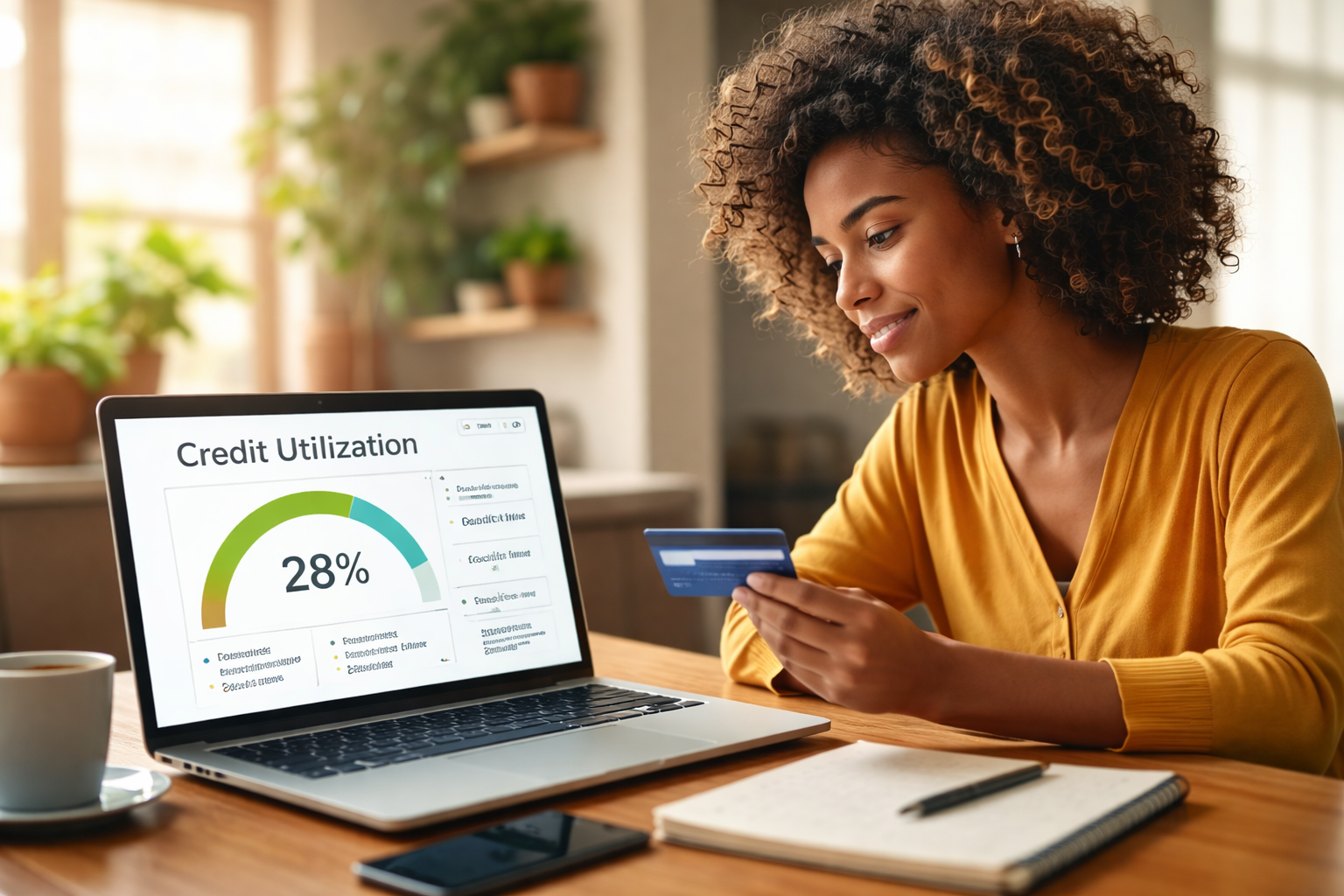
Learn how credit utilization impacts your credit score, why it matters, and simple strategies beginners can use to manage credit usage responsibly.
Introduction: The Credit Score Secret Most Beginners Overlook
Many people believe that paying bills on time is the only factor that determines a strong credit score. While payment history is extremely important, there is another powerful factor that often surprises beginners: credit utilization.
Credit utilization refers to how much of your available credit you are currently using. Even individuals who always make payments on time can experience credit score drops if their credit utilization becomes too high. Understanding how credit utilization works can help you improve your credit profile faster and avoid common financial mistakes.
This comprehensive beginner-friendly guide explains what credit utilization is, why it matters, how it affects your credit score, and practical strategies you can use to manage it responsibly. By the end of this article, you will understand one of the most powerful tools for building and maintaining strong credit health.
What Is Credit Utilization?
Credit utilization is the percentage of your available credit that you are currently using across your credit accounts. It is commonly referred to as your credit utilization ratio.
Credit utilization is calculated by dividing your total credit card balances by your total credit card limits.
Example of Credit Utilization Calculation
If you have:
• Credit Card Limit: $10,000
• Current Balance: $2,500
Your credit utilization ratio is:
$2,500 ÷ $10,000 = 25%
This means you are using 25% of your available credit.
Credit scoring models analyze this ratio to evaluate how responsibly you manage borrowed credit. Lower utilization typically signals responsible financial behavior, while high utilization can indicate potential financial stress.
Why Credit Utilization Plays a Major Role in Your Credit Score
Credit utilization is one of the most influential factors in credit score calculations. Most major credit scoring models consider credit utilization to represent roughly 30% of your credit score.
Lenders view high credit utilization as a potential warning sign. When borrowers consistently use a large percentage of their available credit, it may indicate financial strain or increased reliance on borrowed funds.
On the other hand, maintaining low credit utilization demonstrates strong financial discipline. It shows lenders that you can access credit without becoming dependent on it.
The Ideal Credit Utilization Percentage
Financial experts commonly recommend keeping your credit utilization below 30%. However, individuals with excellent credit scores often maintain utilization below 10%.
Credit Utilization Levels Explained
• 0% – 10%: Excellent
• 11% – 30%: Good
• 31% – 50%: Risk begins increasing
• Above 50%: High risk to credit score
Maintaining a low utilization ratio signals responsible credit behavior and increases your chances of receiving loan approvals and favorable interest rates.
How Credit Utilization Is Measured Across Multiple Credit Cards
Many beginners assume credit utilization applies to individual cards only. In reality, credit scoring models evaluate both individual card utilization and total utilization across all credit accounts.
Individual Utilization Example
If one credit card has a 90% balance, it can negatively impact your score even if your overall utilization appears low.
Total Utilization Example
If you have three credit cards with combined limits of $15,000 and total balances of $3,000, your total utilization is 20%.
Both measurements influence your credit profile.
How High Credit Utilization Can Harm Your Financial Opportunities
High credit utilization can create several financial disadvantages:
Higher Interest Rates
Borrowers with higher credit utilization often receive higher loan interest rates, increasing borrowing costs.
Reduced Loan Approval Chances
Lenders may view high utilization as a sign of financial instability.
Lower Credit Limits
Credit card issuers may reduce limits if they detect consistent high usage.
Negative Credit Score Impact
High utilization can significantly reduce your credit score, sometimes within a single billing cycle.
The Psychological Trap of Credit Availability
Many consumers mistakenly believe that having available credit means they should use it. Credit cards provide convenience and flexibility, but overusing them can quietly damage financial health.
Responsible credit usage requires discipline and awareness. Understanding utilization helps you use credit as a financial tool rather than a financial risk.
Practical Strategies to Lower Credit Utilization
Improving credit utilization does not require complicated financial knowledge. Several simple strategies can reduce your ratio quickly.
Strategy 1: Pay Down Balances Early
Making payments before your billing cycle closes can reduce the balance reported to credit bureaus.
Strategy 2: Make Multiple Payments Each Month
Splitting payments into smaller amounts throughout the month helps maintain lower balances.
Strategy 3: Request Credit Limit Increases
If approved, higher credit limits automatically lower utilization ratios without increasing spending.
Strategy 4: Spread Balances Across Multiple Cards
Distributing balances evenly can prevent individual cards from appearing overutilized.
Strategy 5: Avoid Closing Old Credit Accounts
Older accounts increase your total available credit and support longer credit history.
Common Credit Utilization Mistakes Beginners Make
Only Paying Minimum Payments
Minimum payments reduce debt slowly and allow utilization ratios to remain high.
Maxing Out Cards Temporarily
Even short-term high balances can impact credit scores if reported during billing cycles.
Ignoring Statement Closing Dates
Balances reported during statement closing influence credit reports.
Relying on One Credit Card Only
Using a single card heavily can increase individual utilization ratios.
Credit Utilization and Credit Score Recovery
Improving credit utilization can produce faster credit score improvements compared to some other credit factors. Many individuals notice score increases within one or two billing cycles after lowering balances.
This makes credit utilization one of the most effective areas to focus on when rebuilding credit.
How Credit Utilization Affects Long-Term Financial Stability
Managing credit utilization properly supports long-term financial success. Individuals with low utilization typically qualify for better financial opportunities, including:
• Mortgage approvals
• Auto loan financing
• Lower insurance premiums
• Higher credit card limits
• Better refinancing options
Maintaining low utilization protects your financial flexibility.
Frequently Asked Questions About Credit Utilization
Does Paying Off My Balance Every Month Improve Utilization?
Yes. Paying balances in full reduces reported utilization and supports strong credit health.
Is 0% Credit Utilization Good?
While low utilization is beneficial, consistently showing moderate credit activity can demonstrate responsible credit usage.
How Often Should I Monitor Credit Utilization?
Monitoring balances monthly helps maintain optimal utilization levels.
Final Thoughts: Why Credit Utilization Is One of the Most Powerful Credit Score Factors
Credit utilization is a fundamental component of responsible credit management. By understanding how utilization works and implementing simple balance management strategies, beginners can build stronger credit profiles and unlock better financial opportunities.
Learning to manage credit utilization effectively transforms credit from a risk into a powerful financial tool. Individuals who consistently maintain low utilization often experience improved credit scores, stronger lender relationships, and greater financial confidence.