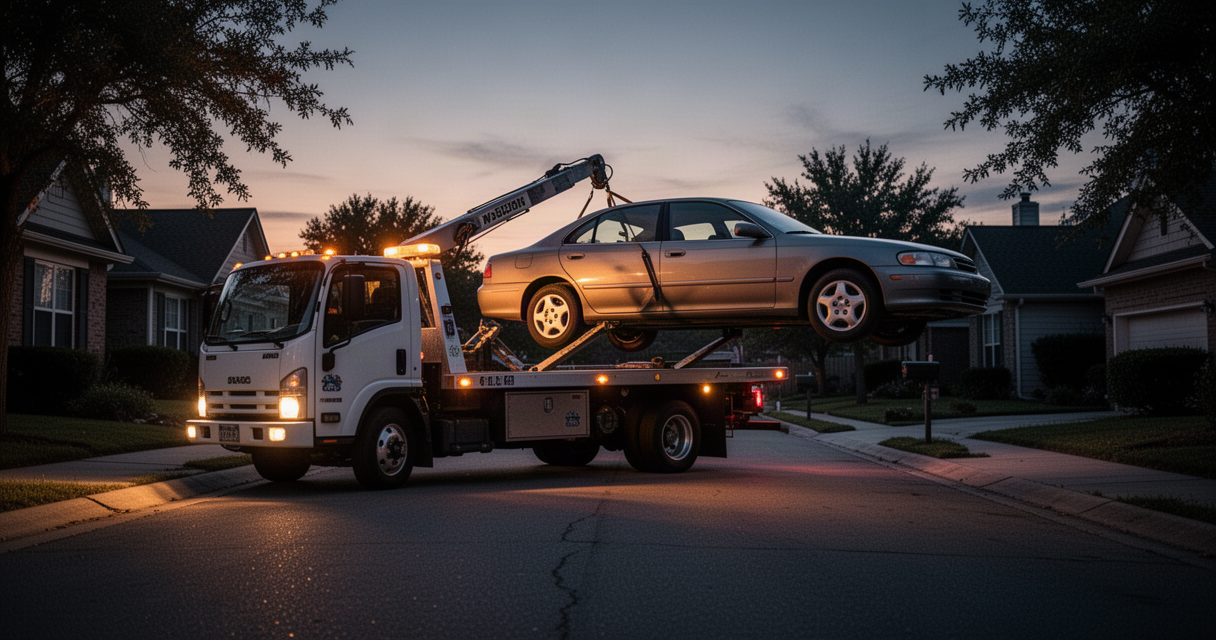

Repossession is the process a lender uses to take back a vehicle when a borrower defaults on an auto loan. Because a car loan is secured by the vehicle itself, the lender has a legal right to reclaim it — and in most states, that right kicks in the moment you're in default, which can be after just one missed payment, not several.
How quickly repossession can actually happen
Loan contracts define default differently, but many allow the lender to repossess a vehicle after a single missed payment, even if they typically wait longer in practice. There's no universal grace period required by law in most states — the terms in your specific loan agreement control the timeline, so it's worth reading that section directly rather than assuming a standard buffer.
Call before you're late, not after
Repossession without a court order
In most states, lenders can repossess a vehicle without going to court first, as long as they don't "breach the peace" while doing it — meaning no physical confrontation, no breaking into a locked garage, and generally no repossession if you're present and object. This is why cars are often repossessed at night or when the owner isn't home.
What happens to your personal belongings inside the car
Repossession companies are generally required to return personal property left inside the vehicle, separate from the car itself. Contact the lender immediately after a repossession to arrange retrieval, and document what you expect to be inside in case anything is missing when you get it back.
The redemption period
Many states give you a window after repossession to "redeem" the vehicle by paying the full remaining loan balance plus repossession costs, getting the car back outright. Some states also offer a right to "reinstate" the loan by paying only the overdue amount and fees, without paying off the entire balance — but this right isn't guaranteed everywhere and depends on your state and loan agreement.
What happens after the car is sold
If you don't redeem or reinstate, the lender typically sells the vehicle, usually at auction, and applies the sale proceeds to your remaining loan balance. Because auction prices are often well below market value, the sale frequently doesn't cover the full amount owed.
Losing the collateral doesn't always erase the debt
The difference between what you still owed and what the car sold for is called a deficiency balance, and in most states you remain legally responsible for paying it. This can come as a shock — many borrowers assume losing the car settles the debt, when in reality it can leave them owing money with no vehicle to show for it.
| Stage | What it means for you |
|---|---|
| Missed payment / default | Lender may repossess based on the terms in your loan contract |
| Repossession | Vehicle is taken; personal belongings should be returned separately |
| Redemption period (if available) | Pay the full balance plus fees to get the car back outright |
| Sale at auction | Proceeds are applied to your loan balance |
| Deficiency balance | You may still owe the remaining difference after the sale |
How repossession affects your credit
A repossession is reported to credit bureaus as a serious derogatory mark and can significantly lower your credit score. It typically stays on your credit report for around seven years from the date of the first missed payment that led to it, even if the deficiency balance is later paid off or settled.
What to do the moment you know you'll miss a payment
Call your lender before the due date and ask directly about hardship programs, deferred payments, or a modified schedule. Many lenders have formal short-term hardship options that never make it into general advertising, and asking early — before you're in default — gives them far more flexibility to work with you.
Voluntary repossession is a different path
If you know you can no longer afford the payments, voluntarily returning the vehicle to the lender — rather than waiting for an involuntary repossession — can reduce some repossession-related fees and shows a degree of cooperation that may help in future negotiations over any deficiency balance. It still gets reported similarly to an involuntary repossession on your credit report, so it isn't a way to avoid credit damage, but it can reduce the total amount you end up owing.
Negotiating a deficiency balance after the fact
A deficiency balance is often negotiable, especially if it's been sold to a third-party collector at a discount from its face value. The same principles that apply to negotiating other debt apply here: request documentation of the exact balance, ask about a lump-sum settlement for less than the full amount, and get any agreement in writing before paying.
How repossession compares to voluntary surrender and bankruptcy
| Path | What typically happens |
|---|---|
| Involuntary repossession | Lender takes the vehicle after default; deficiency balance may remain |
| Voluntary surrender | You return the vehicle proactively; may reduce some fees, still affects credit |
| Loan modification | Lender adjusts payment terms; you keep the vehicle if approved |
| Bankruptcy | May discharge or restructure the deficiency balance, depending on the type filed |
Protecting yourself before you're behind
If your car payment feels tight from the very beginning of the loan, refinancing to a lower rate or longer term (while understanding the tradeoff of more total interest) is worth exploring before you're actually behind, since lenders have far more flexibility to work with a current borrower than a defaulted one.
How this differs for a leased vehicle
A leased vehicle that's repossessed for missed lease payments follows a broadly similar process, but the financial aftermath is calculated differently — instead of a deficiency balance from a sale, you may owe the remaining lease payments, early termination fees, and any excess wear or mileage charges outlined in the lease agreement. Review your specific lease contract's default and early termination terms, since they can differ meaningfully from a standard auto loan.
Rebuilding after a repossession
A repossession is a serious setback, but it doesn't permanently prevent qualifying for a car loan again — some lenders specifically work with borrowers recovering from a repossession, though often at a higher rate initially. Focusing on rebuilding your broader payment history through smaller, manageable credit accounts and consistently on-time payments in the months afterward tends to improve future loan terms more than waiting passively for the repossession to age off your report.
Insurance and gap coverage considerations
If a vehicle is repossessed, any comprehensive or collision insurance coverage you were carrying typically ends along with your ownership, though liability requirements tied to actually operating the vehicle no longer apply either. If you had gap insurance and the vehicle had already been totaled or stolen before repossession became relevant, check whether that claim process is affected — this is a less common scenario but worth clarifying directly with your insurer if it applies to your situation.