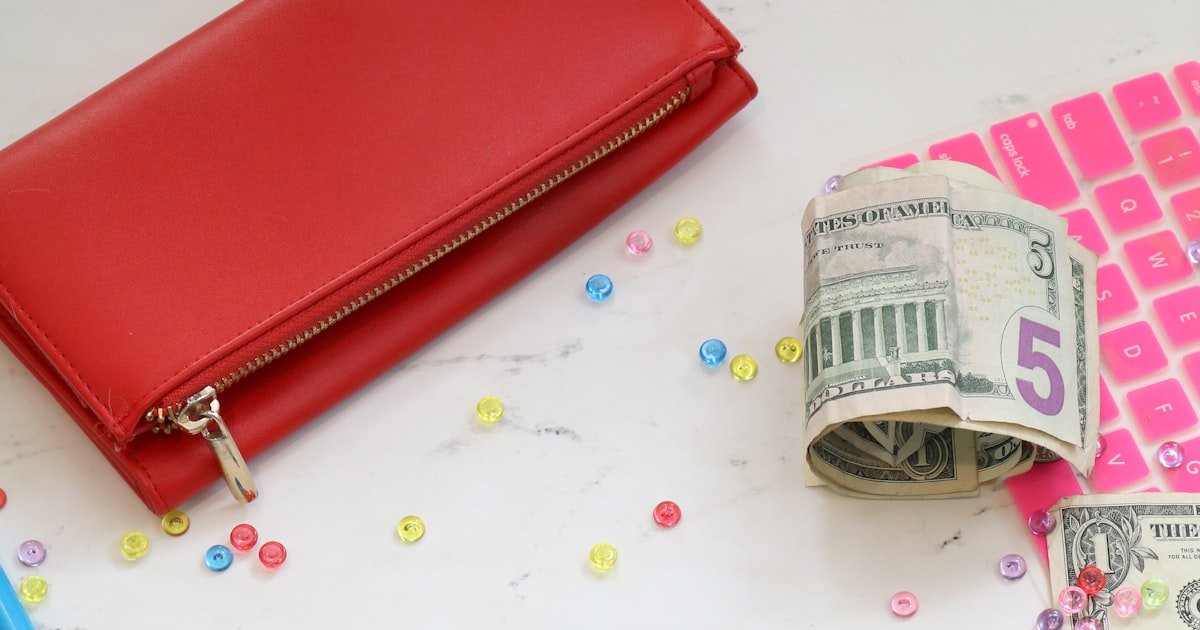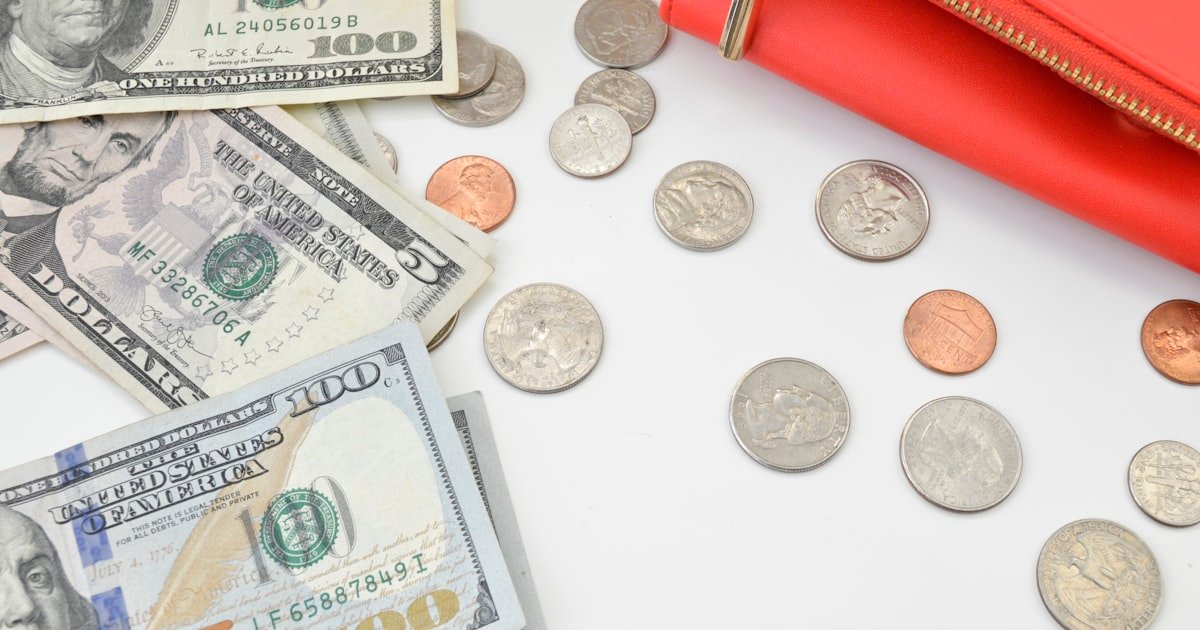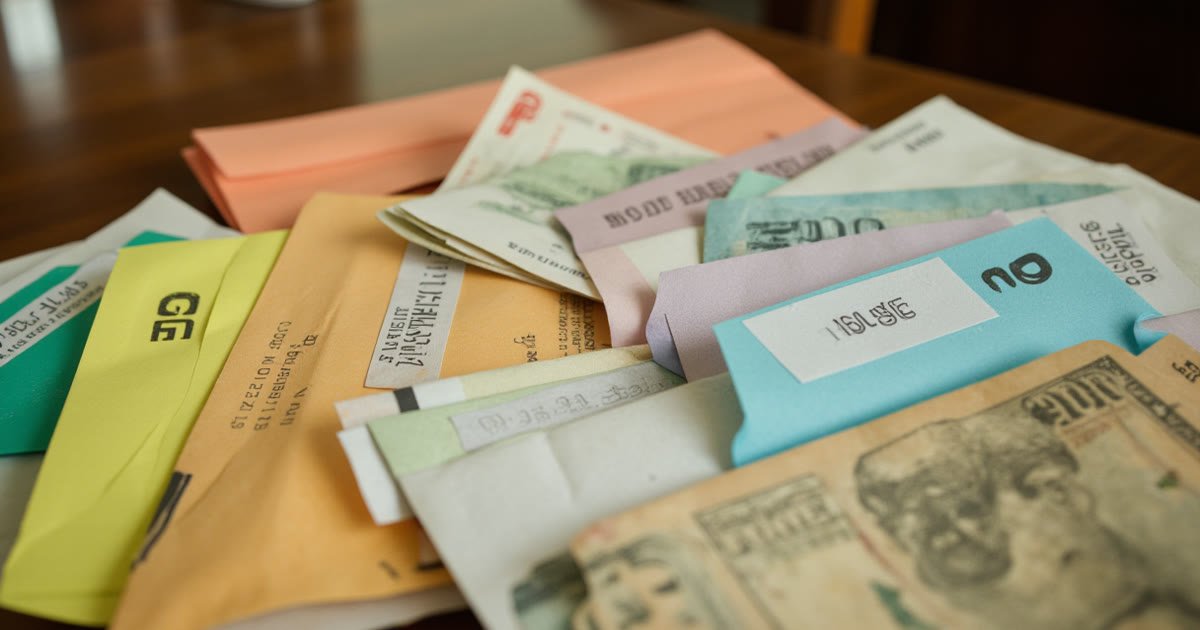

Cash stuffing is a modern take on the classic envelope budgeting method: on payday, you withdraw cash and physically divide it into labeled envelopes or wallet pockets for categories like groceries, gas, and entertainment. When an envelope is empty, spending in that category stops until the next payday.
Why it's resurfaced in popularity
Much of its recent popularity comes from social media, where people share aesthetic envelope setups and the visible, physical act of counting out cash. But the underlying appeal is genuine: physical cash creates a tangible sense of a shrinking balance that a bank app's abstract number often doesn't.
Who it tends to help most
- People who consistently overspend in specific categories when paying by card
- Anyone who responds better to physical, tangible limits than to app notifications
- Households working with mostly cash-based spending in the first place
Cash comes with real tradeoffs
A hybrid approach
Some people apply the same logic digitally, using separate bank sub-accounts or a budgeting app's category buckets instead of physical envelopes, to get the same spending discipline without carrying cash or giving up interest and fraud protection.