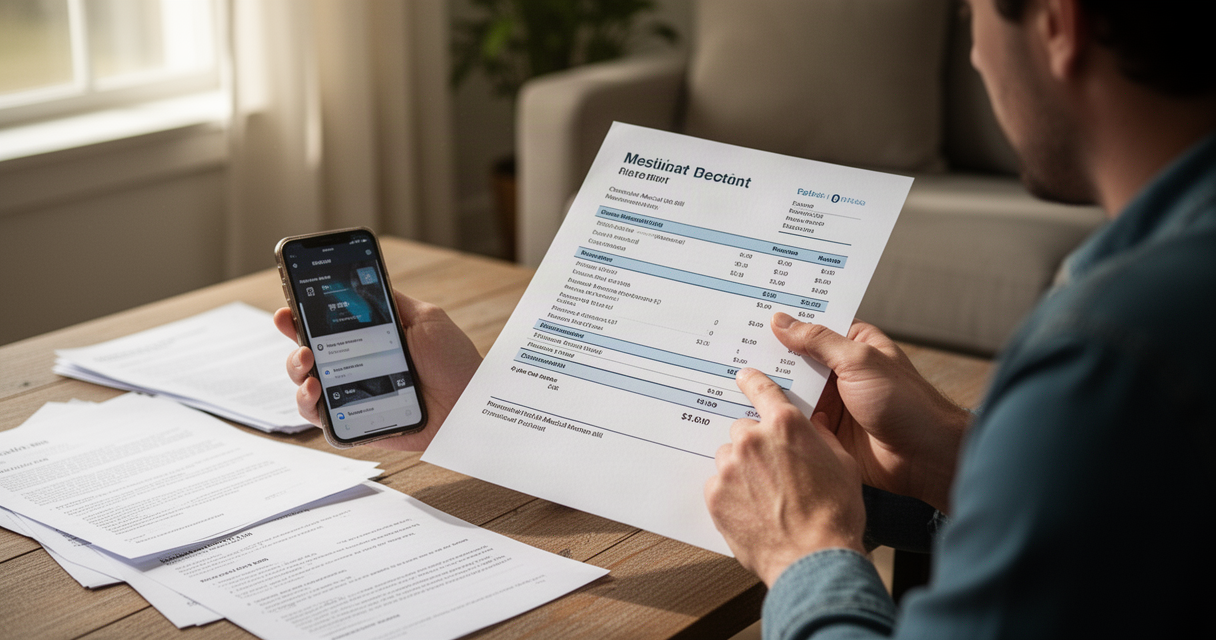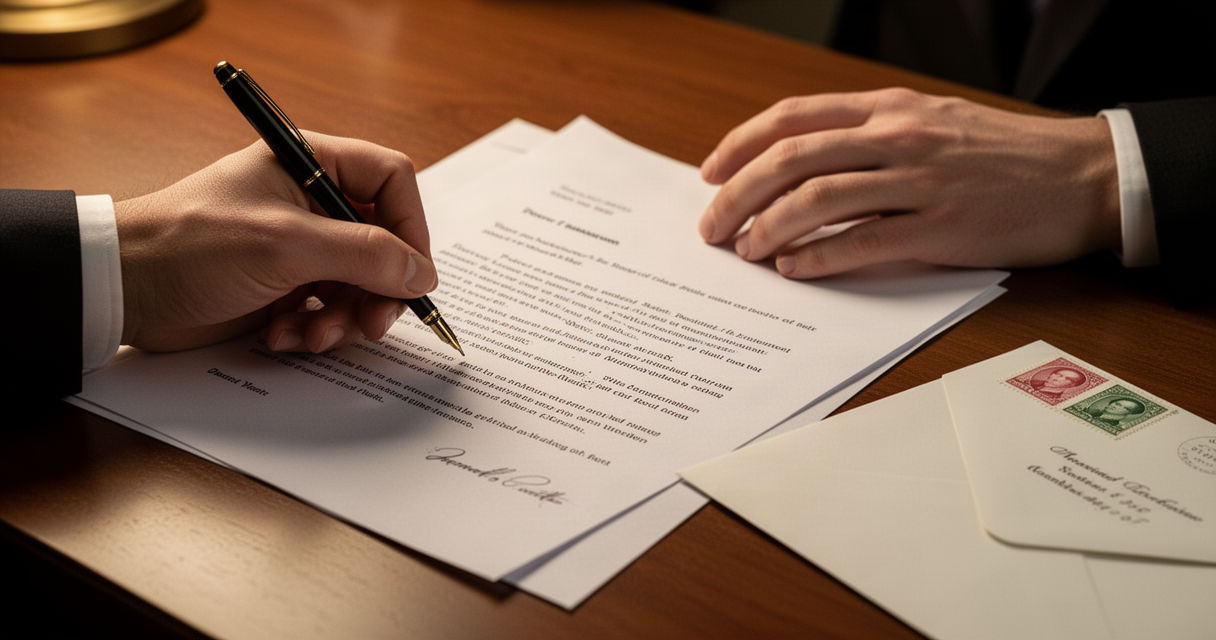

A debt validation letter is a written request that forces a debt collector to prove a debt is legitimate, accurate, and actually theirs to collect before you're required to pay anything or even acknowledge the debt further. It's one of the strongest tools available to consumers dealing with collections, and it costs nothing but a stamp.
Where this right actually comes from
Federal debt collection law requires third-party collectors to send you a written notice, usually within five days of first contacting you, stating the debt amount, the creditor's name, and your right to dispute it. If you respond in writing within 30 days of that notice disputing the debt or requesting validation, the collector must stop collection activity until they provide proof.
This mainly applies to third-party collectors
What actually counts as "validation"
A collector must provide enough documentation to show the debt is real, that they have the right to collect it, and that the amount is accurate. This typically includes the original creditor's name, an accounting of how the balance was calculated, and evidence connecting you to the original account — not just a printed statement claiming you owe money.
- The original creditor's name and the account number tied to the debt.
- A breakdown of the amount owed, including any interest or fees added since the original balance.
- Proof the collector is legally authorized to collect this specific debt (ownership or assignment documentation).
How to write the letter
Keep it short, factual, and specific. State that you're disputing the debt and requesting validation, reference the account number and collector's name exactly as they appeared in their notice, and ask for the specific documentation outlined above. Avoid admitting the debt is yours or discussing payment — the letter's purpose is purely to demand proof.
Send it the right way
Send the letter by certified mail with a return receipt, and keep a copy for your own records along with the mailing receipt. This creates a paper trail proving you disputed the debt within the required window, which matters if the collector doesn't follow the rules or the account later shows up on your credit report unresolved.
Don't make a payment before validation is confirmed
What happens after you send it
The collector must stop all collection activity — calls, letters, and credit reporting related to the debt — until they respond with proper validation. If they can't validate it, they're required to stop collecting it entirely. If they can, collection activity resumes and you'll need to decide how to handle the now-confirmed debt.
| Collector's response | What it means for you |
|---|---|
| Provides full documentation | The debt is validated — you can now negotiate, dispute the amount, or pay |
| Provides incomplete or vague documentation | You can push back and demand the specific missing proof |
| Doesn't respond within a reasonable time | Collection activity should remain paused; keep your dispute letter as proof |
| Continues collecting without validating | This may violate collection law — document everything and consider reporting it |
Multiple entries for one debt are a common error
It's common for one unpaid debt to appear multiple times on a credit report — once from the original creditor, and again after being sold to one or more collection agencies. A validation letter to each entity separately reporting it can help identify and clean up duplicate, outdated entries tied to the same underlying debt.
When in doubt, check the source
If a debt seems unfamiliar, was sold multiple times, or the amount looks inflated, a validation letter is the appropriate first move before any conversation about payment. It costs nothing, creates a legal record, and puts the burden of proof exactly where it belongs — on the collector, not on you.
What a validation letter is not
A validation letter isn't a way to erase a legitimate debt simply by asking — if the collector produces proper documentation, the debt stands and collection can resume. It's also not the same as a "pay for delete" negotiation or a cease-and-desist letter, both of which serve different purposes. Understanding this distinction helps set realistic expectations before sending one.
A sample structure to follow
A clear validation letter typically includes your name and the date, the collector's name and mailing address as shown on their notice, a direct statement that you're disputing the debt and requesting validation, the account number referenced in their notice, and a request for the specific documentation described earlier in this guide. Keeping it to a single page, factual and unemotional, tends to get a cleaner response than a long, argumentative letter.
What if you genuinely do owe the debt
Sending a validation letter is still a reasonable first step even if you believe the debt is legitimate, since it confirms the amount is accurate and the collector actually has the right to collect it — collection agencies sometimes pursue debts they've bought in bulk with incomplete or outdated records. Once validated, you're then in a better position to negotiate a payment plan or settlement with accurate numbers.
| Letter type | Purpose |
|---|---|
| Debt validation letter | Demands proof the debt is legitimate and accurately owed |
| Cease-and-desist letter | Demands the collector stop all further contact, regardless of the debt's validity |
| Pay-for-delete request | Negotiates removal of the account from your credit report in exchange for payment |
What to do while you're waiting for a response
Continue monitoring your credit reports for the disputed account during the waiting period, and don't ignore any court summons that may arrive separately, even if you've sent a validation letter — a lawsuit has its own separate deadlines that a validation request doesn't pause. If you receive a legal notice, that generally requires a timely written or court response regardless of an outstanding validation request.
Keeping a paper trail beyond the first letter
If a collector responds with partial or unclear documentation, a short, specific follow-up letter identifying exactly what's still missing keeps the dispute active and creates an additional documented record of your good-faith effort to resolve the matter properly. Save copies of every letter sent and received, along with certified mail receipts, in one place — this record is often what ultimately protects you if the same debt resurfaces with a different collector down the line.
Why timing your response matters more than people expect
Responding right at the edge of the 30-day window, rather than promptly after receiving the collector's notice, leaves little margin if mail delivery is delayed or a form is filled out incorrectly and needs to be resent. Responding within the first week or two of receiving a collection notice gives you the most room to correct any issues with your own letter while still comfortably meeting the legal deadline.