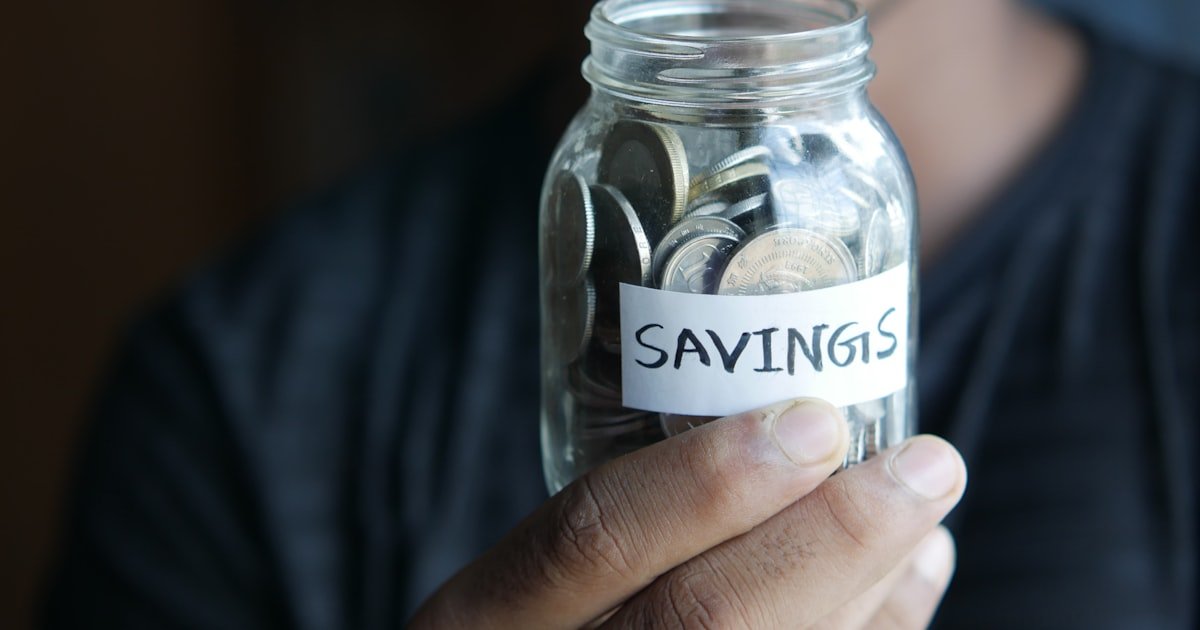

Most budgets start with income, subtract expenses, and hope something's left to save. Pay-yourself-first reverses that order: a set amount moves to savings automatically the moment you're paid, and your spending has to fit into whatever remains.
How to set it up
- Pick a savings percentage or dollar amount you can commit to consistently, even if it starts small.
- Set up an automatic transfer to a separate savings account for the day you're paid.
- Budget your remaining spending money using whatever system you prefer — the automation is the part that matters most.
Start smaller than you think you need to
A modest amount you can sustain every single pay period builds a stronger habit than an ambitious amount you abandon after two months.
Why the order matters
Savings that happen automatically don't compete with everyday spending decisions. By the time you're deciding what to spend on dinner or a subscription, the money already set aside for savings isn't part of the conversation anymore.