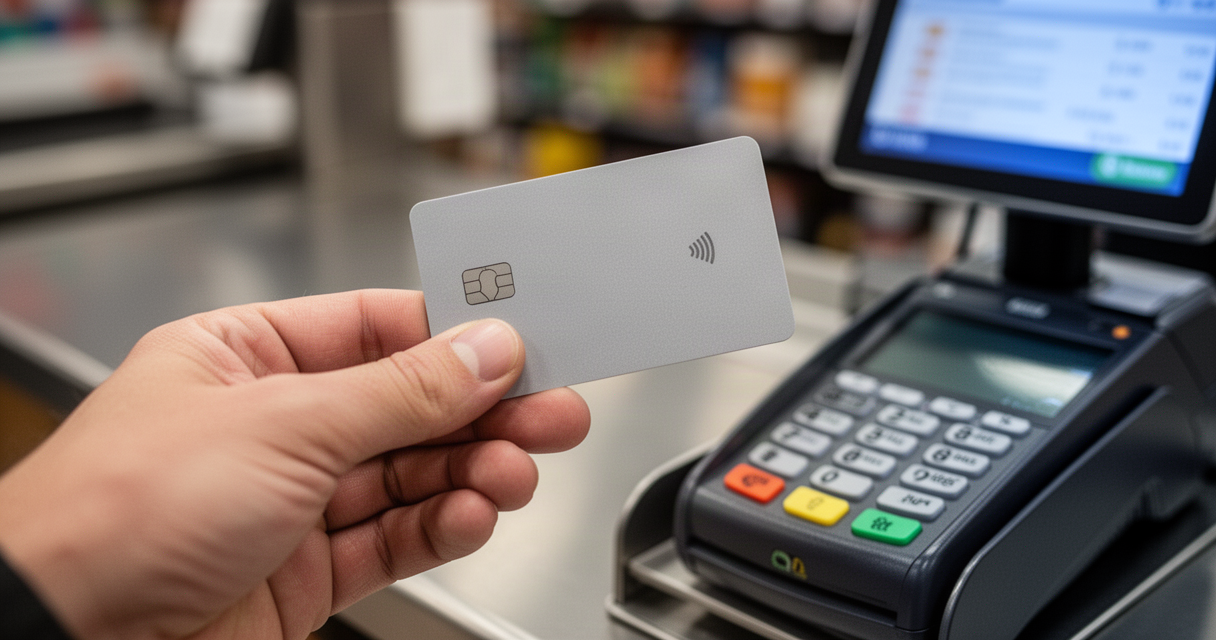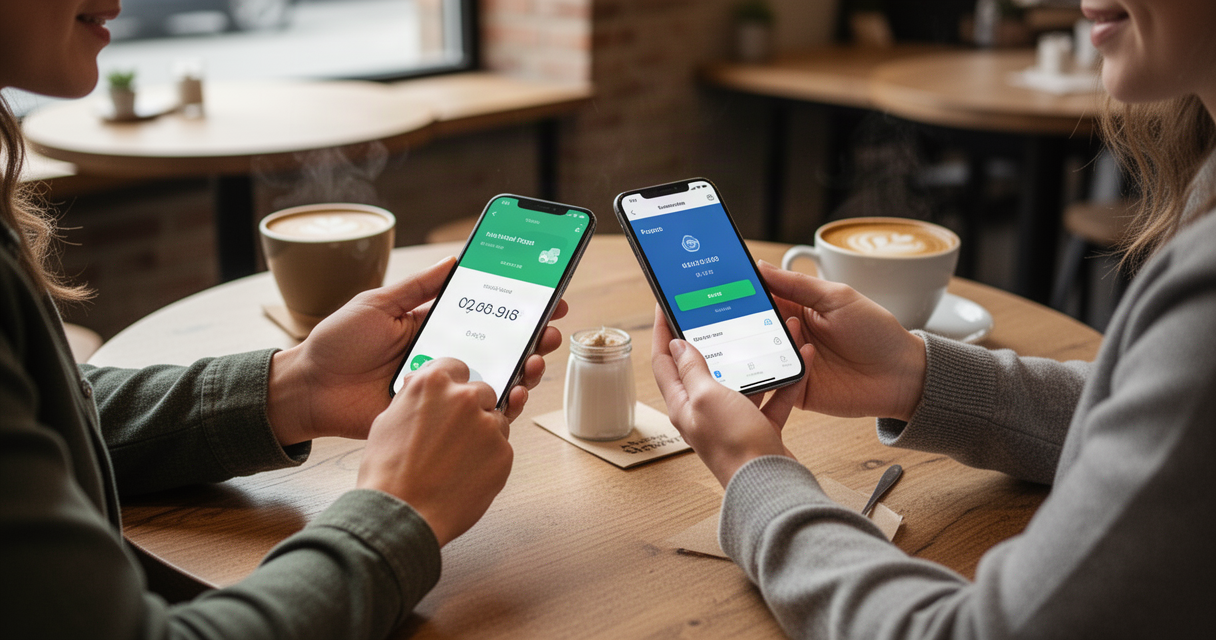

Peer-to-peer payment apps have replaced cash and checks for splitting bills, paying rent, and sending money to friends and family. They're fast and convenient, but the protections that apply to a credit card purchase generally don't carry over the same way once you've sent money through one of these apps.
The core tradeoff: speed vs. reversibility
Most peer-to-peer payments are designed to be fast and, once sent, difficult or impossible to reverse — the same feature that makes them convenient for splitting dinner also makes them risky if you send money to the wrong person or fall for a scam. Unlike a credit card chargeback, there's often no built-in dispute process for a payment you authorized yourself, even if you were tricked into authorizing it.
You're on the hook even if you never see the money
How these apps differ from a bank transfer
Some peer-to-peer apps hold your balance within the app itself until you transfer it to a linked bank account, while others move funds directly between bank accounts (as with many bank-to-bank instant payment services). Money sitting inside an app's internal balance may not carry the same deposit insurance as money sitting in an actual bank account, which is worth understanding before leaving a large balance parked inside an app.
Common scams that specifically target these apps
- A "buyer" for something you're selling online sends a fake payment confirmation screenshot before you've actually received the money.
- Someone claiming to be tech support, a utility company, or a government agency asks you to "verify" your identity by sending yourself a small payment, which actually routes the money to them.
- A stranger claims they sent money to your username by mistake and asks you to send it back — often before their original (fake or since-cancelled) payment has actually cleared.
- A rental or marketplace scam asks for a deposit via a peer-to-peer app specifically because the payment is hard to reverse once sent.
Rules of thumb that avoid most of these problems
Only send money to people you know personally, and confirm the recipient's username or QR code directly with them before sending — a single mistyped letter can send money to a stranger with no automatic way to get it back. Treat any pressure to "send it now" or verify something by sending a payment as an immediate red flag.
| Practice | Why it helps |
|---|---|
| Double-check the recipient before sending | Most transfers can't be reversed once sent |
| Don't use these apps for strangers or online marketplace deals | There's little to no buyer protection compared to a credit card |
| Enable notifications for every transaction | Lets you catch unauthorized activity quickly |
| Use a PIN or biometric lock on the app itself | Protects your account if your phone is lost or stolen |
| Avoid leaving a large balance parked in the app | Transfer funds to your actual bank account regularly |
What protections do apply
If your account itself is accessed without your authorization — someone hacks your login and sends money you never approved — that's typically treated as unauthorized use and may be eligible for reimbursement, similar to other electronic fund transfer protections. The distinction matters: a payment you were tricked into approving yourself is treated very differently than a payment someone else made without your knowledge or approval.
Linking a credit card instead of a bank account
Some apps let you fund a payment using a linked credit card instead of a bank account or debit card, sometimes for an added fee. Doing this for a payment to an unfamiliar recipient can preserve some of your credit card's fraud protections, since a credit card dispute process still applies to how the money left your card, even if the app-to-app transfer itself doesn't offer the same protection.
If something does go wrong
Report the issue to the app's support team immediately and, if you believe you were scammed, file a report with the FTC as well. If the payment was funded through a linked bank account or credit card, contact that institution directly too — they may have separate dispute options depending on how the transaction was funded.
Splitting bills safely with people you know
The most common, lowest-risk use case for these apps is splitting a bill with friends or family after the fact — dinner, a shared trip expense, or rent with roommates. This use case carries far less risk than sending money to a stranger, since you already know and trust the recipient and the amounts are typically small and easy to verify.
Public activity feeds are a privacy consideration too
Some peer-to-peer apps default to a public or semi-public activity feed showing who paid whom, even if the actual dollar amount is hidden. Review your app's privacy settings and set transactions to private if you'd rather not broadcast your payment activity, including who you're regularly transacting with, to anyone who can view your public profile.
Business use vs. personal use on these apps
Most peer-to-peer apps are designed and governed by rules meant for payments between individuals, not commercial transactions, and using them for a small business can create both practical and tax-reporting complications. If you're regularly receiving payment for goods or services, check whether the app requires a separate business account and understand any related reporting requirements that may apply to that activity.
- Set your transaction visibility to private if the app defaults to a public activity feed.
- Use a dedicated business account, if required, for any commercial payment activity rather than a personal one.
- Review the app's terms specifically if you plan to use it for anything beyond casual payments between people you know.
What to do immediately if you suspect a scam
Stop any further payments to the same recipient immediately, take screenshots of the entire conversation and transaction details, and report the incident to the app's support team and, if funded through a linked bank account, that institution as well. Filing a report with the FTC creates an official record that can support any further dispute or, in serious cases, a police report.
Setting a personal rule for unfamiliar requests
A simple personal rule — never send money based on a request you didn't initiate or expect, no matter how official it looks — avoids the majority of scams built specifically around these apps. Legitimate organizations, including banks and government agencies, generally don't ask you to send yourself money as a verification step, so treat any request phrased that way as an immediate warning sign rather than a normal process.
Teaching family members who are newer to these apps
Older family members and younger users new to peer-to-peer apps are common scam targets specifically because they may be less familiar with how fast and irreversible these transfers typically are. A short, direct conversation about the core rule — confirm the recipient, never send money to "verify" anything, and treat urgency as a red flag — is often more effective than assuming the risk is obvious to someone using the app for the first time.