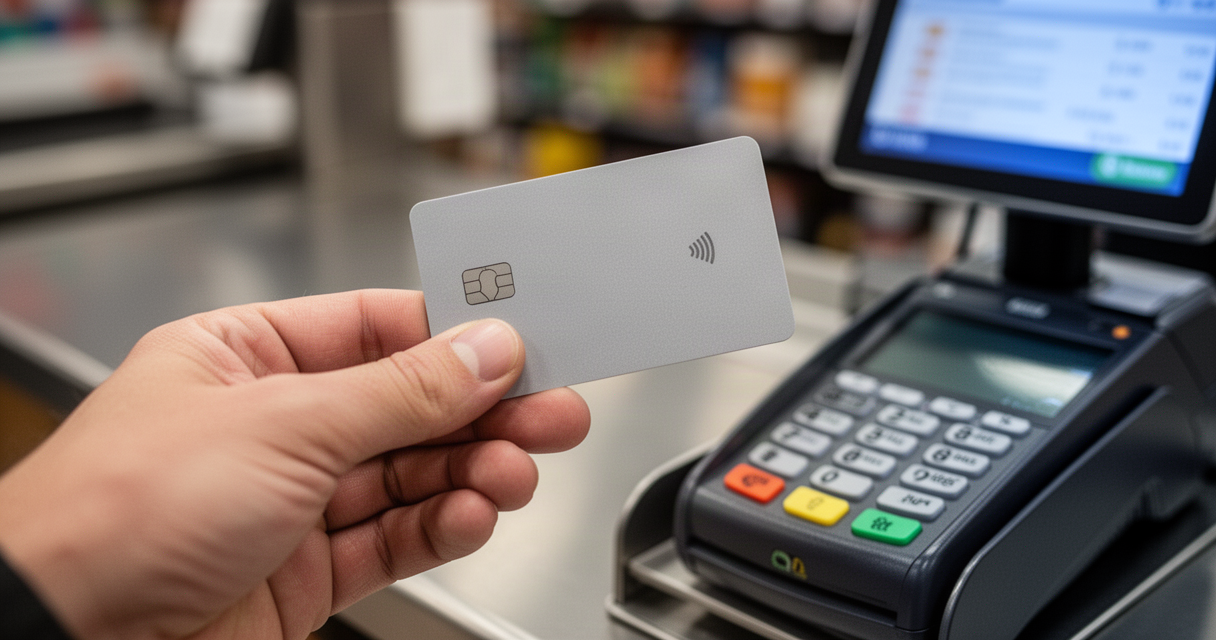

A prepaid debit card lets you load money onto the card in advance and spend only what's loaded — there's no linked bank account, no credit check, and no ability to spend more than the available balance. That makes it a useful tool for some situations, and an expensive choice in others, depending almost entirely on the fee structure.
How prepaid cards actually work
You buy or sign up for a prepaid card, then load funds onto it through direct deposit, cash reload, bank transfer, or by purchasing a reload at a retail location. The card can typically be used anywhere its network (Visa or Mastercard, most commonly) is accepted, but you can never spend more than what's actually loaded onto it.
Prepaid card vs. debit card vs. credit card
| Factor | Prepaid card | Debit card | Credit card |
|---|---|---|---|
| Requires a bank account | No | Yes | No, but requires credit approval |
| Credit check needed | No | No | Yes |
| Can build credit history | Generally no | No | Yes, if reported and paid on time |
| Overdraft possible | Rarely | Sometimes (if opted in) | N/A — separate credit limit concept |
| Typical fee structure | Varies widely, can be high | Usually free with an account | Interest if carrying a balance, plus possible annual fee |
Where the fees actually hide
The biggest difference between a good and a bad prepaid card is almost entirely about fees, since the core function — spend what's loaded — is the same everywhere. Watch for these specifically before choosing a card.
- Monthly maintenance fees, charged whether or not you use the card that month.
- Reload fees, charged each time you add funds, especially at retail locations.
- ATM withdrawal fees, which can apply even at in-network ATMs on some cards.
- Inactivity fees, charged if the card goes unused for a set period.
- Balance inquiry fees, an easy-to-miss charge just for checking your balance at certain terminals.
Watch for dormant account fees
Who prepaid cards actually make sense for
Prepaid cards can be a reasonable option for people without access to a traditional bank account, for strict budgeting (since you physically can't overspend the loaded balance), or for giving a card to a teenager or family member with a hard spending cap built in. They're generally not a good substitute for a full bank account if fees eat into the balance significantly every month.
Do prepaid cards build credit?
Generally no. Because there's no borrowing involved — you're only spending money you've already loaded — most prepaid cards don't report any activity to credit bureaus. If building credit is a goal, a secured credit card or credit builder loan is a more appropriate tool.
Consumer protections on prepaid cards
Federal rules require prepaid card issuers to provide clear fee disclosures and offer certain fraud protections similar to a debit card, though the exact protections can vary by issuer. Register your card with the issuer as soon as you get it — an unregistered card often has weaker fraud protection than a registered one.
How to actually compare two prepaid cards
Request the full fee schedule for each card you're considering, not just the headline monthly fee, and estimate your realistic monthly cost based on how you'd actually use it — how often you'd reload, how often you'd use an ATM, and whether you'd check the balance frequently. The cheapest-looking card on paper isn't always the cheapest one for your actual usage pattern.
Government and payroll-issued prepaid cards
Some government benefits and employer payroll programs are distributed via prepaid cards rather than direct deposit or paper checks, particularly for recipients without a traditional bank account. These cards often have specific fee structures set by the issuing program, which can differ meaningfully from a general-purpose retail prepaid card — check the specific terms provided with the card rather than assuming standard retail prepaid card fees apply.
Reloading a prepaid card without paying extra fees
Direct deposit is typically the cheapest way to load funds onto a prepaid card, often free, while reloading with cash at a retail counter frequently carries a fee per transaction. If you're paid by direct deposit, setting up direct deposit onto the prepaid card itself, rather than repeatedly reloading with cash, can meaningfully reduce your total fees over time.
What to do if a prepaid card is lost or stolen
Report a lost or stolen prepaid card to the issuer immediately, the same way you would a debit or credit card. Registering the card with your name and contact information when you first get it is what makes a replacement and fund recovery possible — an unregistered card is much harder, sometimes impossible, to protect if lost.
| Loading method | Typical cost |
|---|---|
| Direct deposit | Usually free |
| Bank transfer | Often free or low-cost |
| Cash reload at a retail counter | Often carries a per-transaction fee |
Prepaid cards for teaching teens financial responsibility
A prepaid card is sometimes used as a first financial tool for a teenager, since it caps spending at whatever's loaded and typically doesn't require a full bank account or credit check for the teen themselves. Some financial apps now offer teen-specific accounts with prepaid-style spending controls alongside parental oversight features, which can be a more full-featured alternative to a purely generic prepaid card for this specific use case.
Traveling with a prepaid card
Some travelers use a prepaid card specifically for trips, loading only the amount they intend to spend as a built-in budgeting control while away from home. Check foreign transaction fees before relying on a prepaid card internationally, since not all issuers waive them the way some travel-focused credit cards do, and a card with a high foreign transaction fee can offset much of the budgeting benefit on an international trip.
Prepaid cards vs. digital wallets
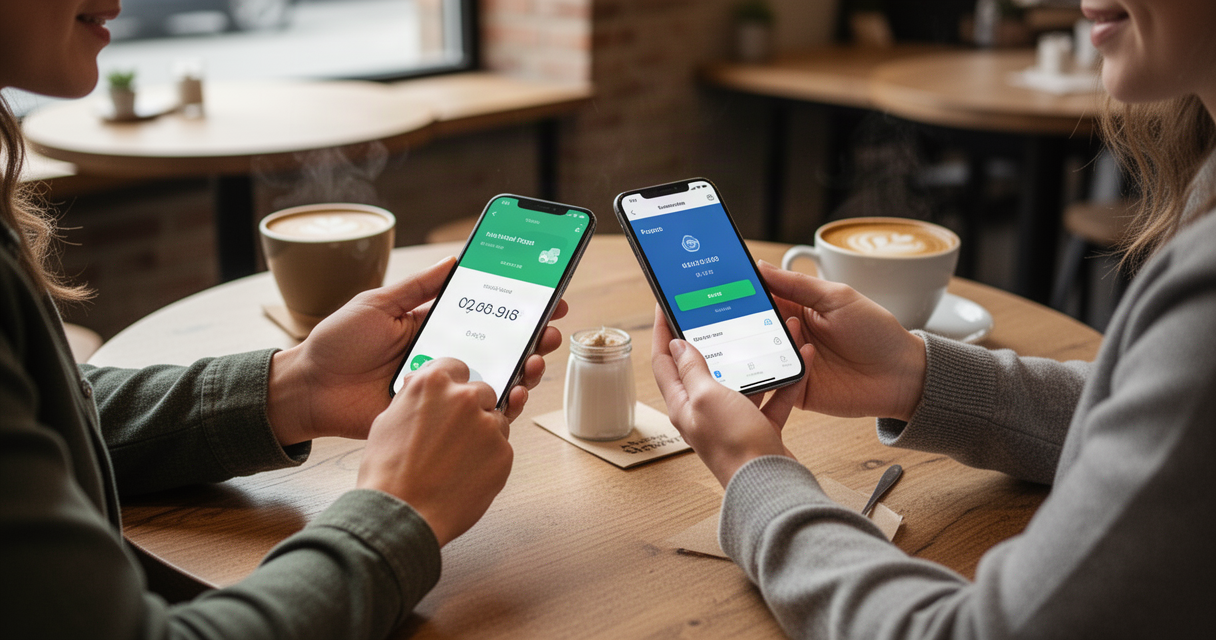
A digital wallet app that holds a cash balance can function similarly to a prepaid card in terms of spending controls, sometimes with lower fees since there's no physical card production or network involved. Compare the specific fee structure and where your money is actually held (a genuine bank account versus an internal app balance) before assuming a digital wallet is automatically the cheaper or safer choice over a traditional prepaid card.
When a basic checking account is simply the better option
If you can qualify for a free, no-minimum-balance checking account, it generally offers more protection and lower ongoing costs than most prepaid cards, along with the ability to build a banking relationship over time. Prepaid cards remain most useful specifically for situations where a full bank account genuinely isn't accessible, rather than as a default first choice when a fee-free checking account is realistically available.