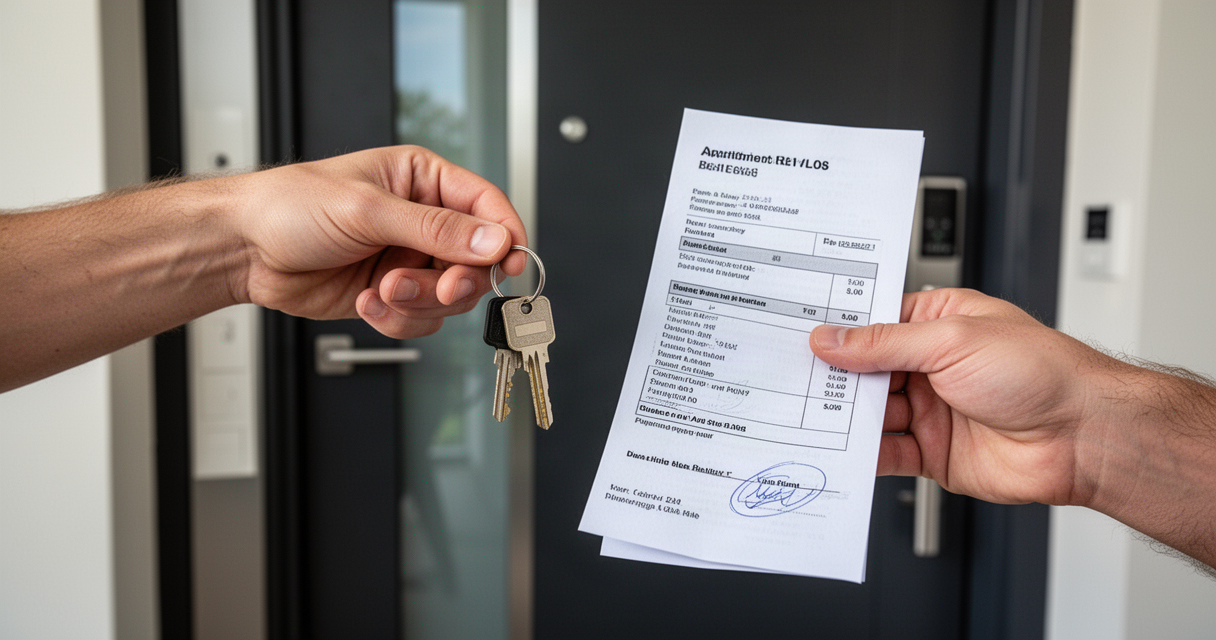

Most landlords don't report rent payments to credit bureaus the way mortgage lenders report mortgage payments. That means someone can pay $1,800 a month on time for years and see zero credit benefit from it, while a much smaller credit card payment builds their score every month. Rent reporting services exist to close that gap.
How rent reporting actually works
A rent reporting service connects to your bank account or your landlord's payment system, verifies that your rent was paid, and reports that payment to one or more credit bureaus on your behalf. Some services also let you report past rent history retroactively, adding months or years of previous on-time payments in a single submission.
- Some services are landlord-initiated, meaning your property management company signs up and reports for every tenant automatically.
- Others are tenant-initiated, meaning you sign up yourself and connect your bank account so the service can verify each payment.
- Coverage varies by bureau — some services report to all three major bureaus, others report to only one or two.
Which scoring models actually count it
Not every credit score treats rent payments the same way. Some traditional FICO score versions were built primarily around traditional credit accounts and give rent limited or no direct weight, while newer scoring models were specifically designed to include rent, utility, and telecom payment history. Because lenders don't all use the same scoring model, a reported rent history that helps one score might not move another at all.
Check which bureau your target lender actually pulls
Who benefits the most
Rent reporting tends to help most for people with a thin credit file — little to no other reported payment history — since a large recurring on-time payment can meaningfully improve the completeness of their credit profile. For someone who already has several well-managed credit accounts, the added benefit is usually smaller.
The cost side most people miss
Some rent reporting services are free, often because the landlord or property management company pays for the service. Others charge the tenant directly, either a flat monthly fee or a one-time fee to report a batch of past months. Before signing up for a paid service, compare the ongoing fee against how much credit benefit you realistically expect, especially if you already have some credit history.
| Question | Why it matters |
|---|---|
| Which bureaus does it report to? | A service that reports to only one bureau has limited reach |
| Is there a monthly or one-time fee? | Determines whether the ongoing cost is worth the expected benefit |
| Can it report past rent history? | Retroactive reporting can add years of history in one submission |
| Does it require landlord participation? | Some services need your landlord to sign up too, others don't |
A downside worth knowing about
Once your rent is being reported, a late or missed rent payment can now hurt your credit the same way an on-time payment would have helped it. If your rent payment history has been inconsistent, reporting it going forward carries real downside risk, not just upside.
Rent reporting vs. other ways to build a thin file
Rent reporting works well alongside other credit-building tools rather than replacing them. A secured credit card or credit builder loan adds a different type of account to your file, while rent reporting adds a large, consistent, real-world payment you're already making anyway. Using rent reporting alone, without any traditional credit account, still leaves gaps that some scoring models and lenders weigh heavily.
Tenant-initiated vs. landlord-initiated services in practice
A tenant-initiated service usually asks you to connect a bank account so it can verify your rent payment each month, independent of whether your landlord participates in anything. A landlord-initiated service is set up at the property level, meaning every tenant in the building may be automatically enrolled, sometimes without any action required on your part. If you're unsure which applies to you, ask your leasing office directly whether they already report rent payments through a property management platform — some do this without actively advertising it.
How much a strong rent history can realistically move a thin file
For someone with no existing credit accounts, a large, consistent monthly payment reported over many months can be one of the more meaningful positive signals available, since payment history is the most heavily weighted factor in most scoring models. For someone who already has several well-managed accounts, rent reporting still helps but tends to move the needle less, simply because there's already more data establishing a track record.
What information a rent reporting service typically needs
- Proof of your lease agreement and monthly rent amount.
- Bank account access for verifying that a rent payment was actually made (for tenant-initiated services).
- Basic identity information required for credit bureau reporting, similar to opening any account.
What happens if you move to a new rental
Most tenant-initiated services can continue reporting after a move, as long as you update your lease and payment details with the service — the reporting isn't tied to a specific unit, it follows your account with the service itself. Confirm this directly before assuming your rent history will transfer automatically to a new address.
Rent reporting alongside a mortgage application
Some mortgage underwriting programs have started specifically incorporating on-time rent payment history as a supplemental factor for applicants with limited traditional credit, particularly first-time homebuyers. If you're planning to buy a home in the next few years and currently have a thin credit file, starting rent reporting well in advance can build a documented history that may support a future mortgage application, separate from whatever your credit score itself shows.
How landlords benefit from offering rent reporting
Property managers who offer rent reporting as a tenant amenity often see it as a retention and satisfaction tool, since it gives tenants a tangible financial reason to stay current on payments and to renew a lease rather than move elsewhere. If your building doesn't currently offer it, it's reasonable to ask your leasing office whether they'd consider adding a rent reporting partnership, since the cost to the property is often low relative to the tenant goodwill it generates.
Rent reporting for roommates and shared leases
When rent is split among roommates on a shared lease, some services only report the payment for the person whose bank account is connected or whose name is primary on the lease, rather than crediting every roommate individually. If building credit is a goal for more than one person on a shared lease, check whether the specific service supports reporting for multiple tenants separately, since this detail varies and isn't always obvious from a service's general marketing.