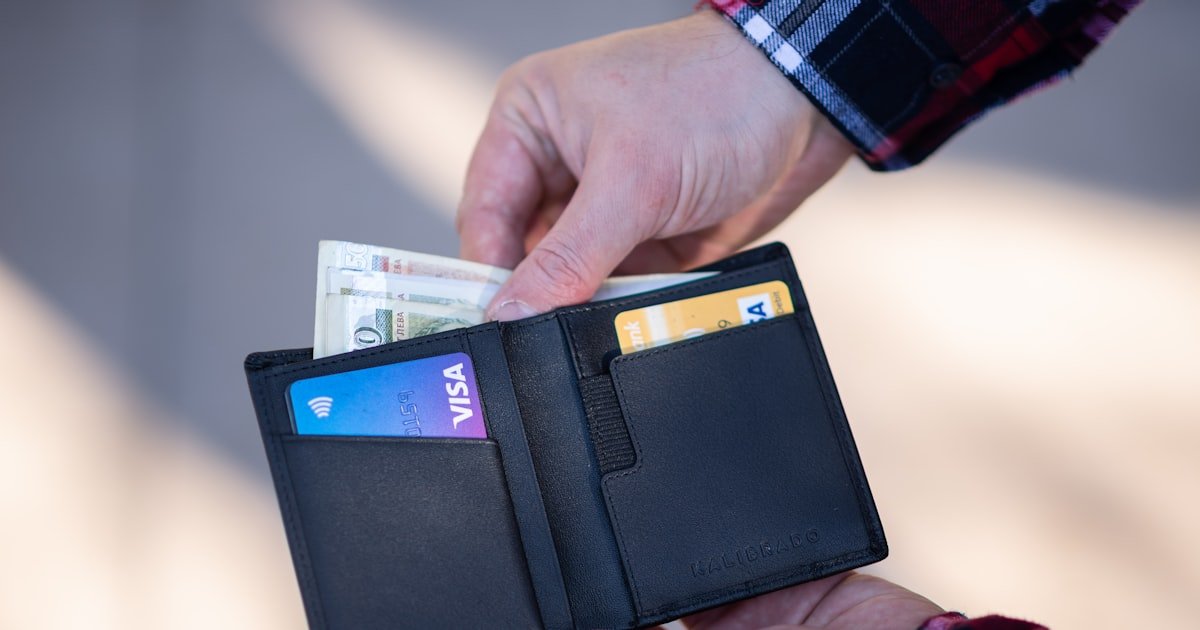

A cash advance lets you withdraw cash against your credit card's line of credit, usually through an ATM or a bank teller. It's fast and doesn't require an application, but it's one of the most expensive ways to borrow money on a card you already own.
How the cost differs from a normal purchase
| Regular Purchase | Cash Advance | |
|---|---|---|
| Grace period before interest starts | Usually yes, if paid in full | No — interest starts immediately |
| Interest rate | Standard purchase APR | Often a higher cash advance APR |
| Upfront fee | None | Typically 3-5% of the amount, or a flat minimum |
Why there's no grace period
Regular purchases only start accruing interest if you carry a balance past the due date. Cash advances skip that grace period entirely — interest begins accumulating from the moment you withdraw the cash, even if you pay your bill in full and on time.
Payments often go to your regular balance first
What actually counts as a cash advance
- ATM withdrawals using your credit card
- Over-the-counter cash withdrawals at a bank
- Buying foreign currency with a credit card
- In many cases, buying cryptocurrency, casino chips, or money orders
Better alternatives to consider first
A personal loan, a 0% APR promotional offer on another card, or even a short-term loan from a credit union will typically cost far less than a cash advance. Reserve the cash advance option for genuine emergencies where no other form of credit is accessible in time.